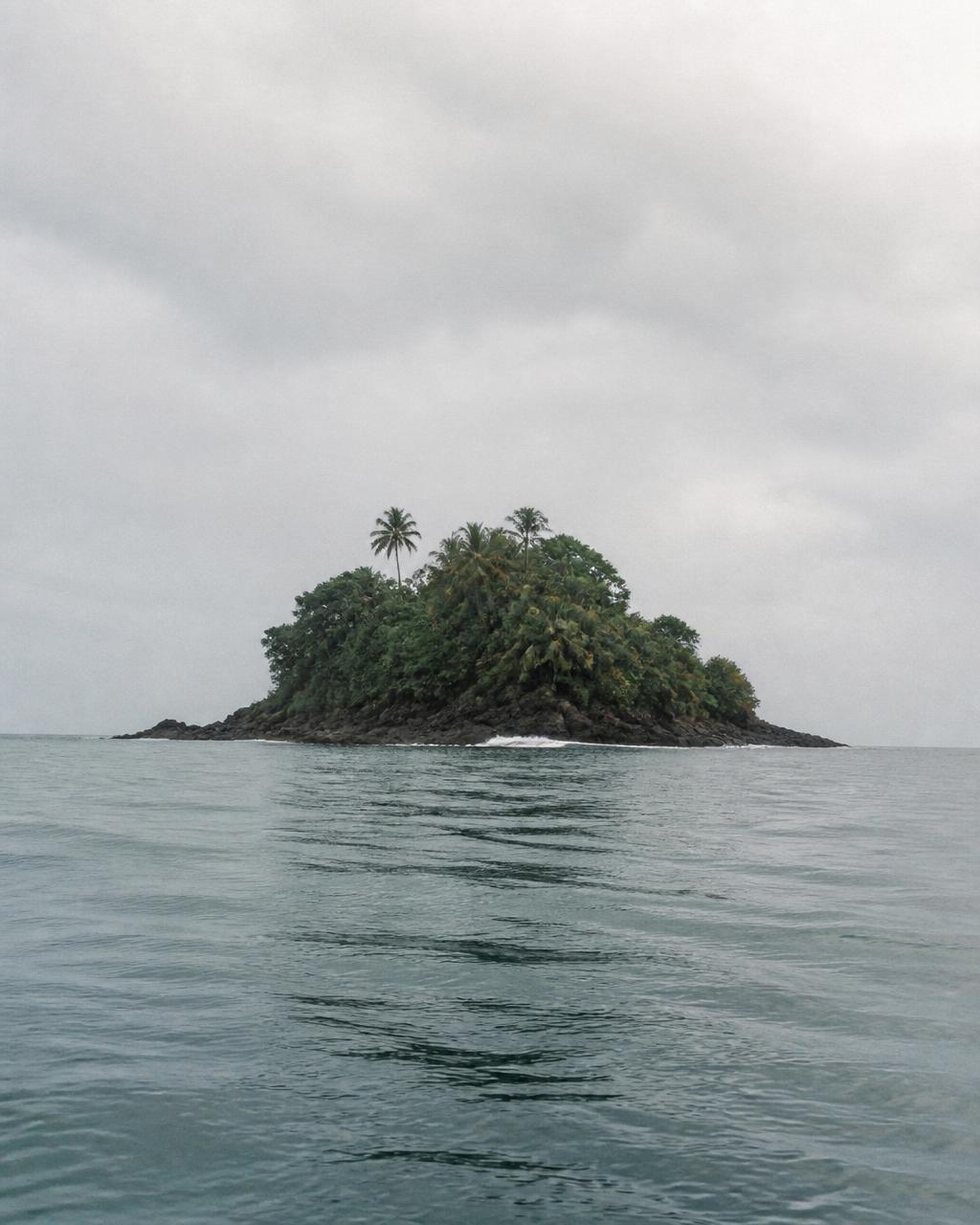
Dry Season · November – April
Sun & Shoreline Term
When the trade winds blow and the coast opens wide.
The dry season is Costa Rica at its most expansive. Skies clear, seas calm, and the country turns golden. It is the season for long expeditions, coastal study, and days spent almost entirely outdoors. A rhythm that shapes how students learn, worship, and rest together.
Why this season is different
Manuel Antonio lives in two rhythms.
Predictable clear weather makes multi-day expeditions, ocean study, and cross-country travel possible without the pauses that afternoon storms require.
The landscape is drier and more open: dry tropical forest, exposed beaches, and long horizons, which invites a different set of ecosystems, animals, and questions to study.
Farms are in harvest for many crops, and coastal fishing communities are at full activity, giving students a front-row seat to Costa Rica's productive rhythms.
Days feel bright and outward-facing: more sun, more travel, more sustained physical activity. The season leans toward exploration and endurance.
What students do
Activities shaped by the season.
Surf & swim instruction
Progressive coaching in warm, calm Pacific water with certified lifeguards on site every session.
Marine ecology field study
Snorkeling, tide-pool study, and sea turtle nesting observation with local biologists.
Multi-day expeditions
Overnight travel along the coast and into dry tropical forests. No weather delays.
Harvest on the farm
Working alongside neighbors during coffee, mango, and cacao harvest seasons.
Stargazing & night walks
Clear dry-season skies make astronomy and evening ecology unusually accessible.
Extended service projects
Longer, more physical service days with partner communities and conservation groups.
A day's rhythm
Morning liturgy at sunrise · Classical study in the open-air pavilion · Field expedition or ocean session · Afternoon rest through the hottest hours · Evening meal, worship, and stargazing.
Which season fits your student?
Both terms teach the same classical curriculum and follow the same rhythms of worship, study, and service. The difference is the weather, the land, and the activities the land invites.